10 Pieces of Hiking Gear Nobody Talks About (But Every Hiker Should Carry)
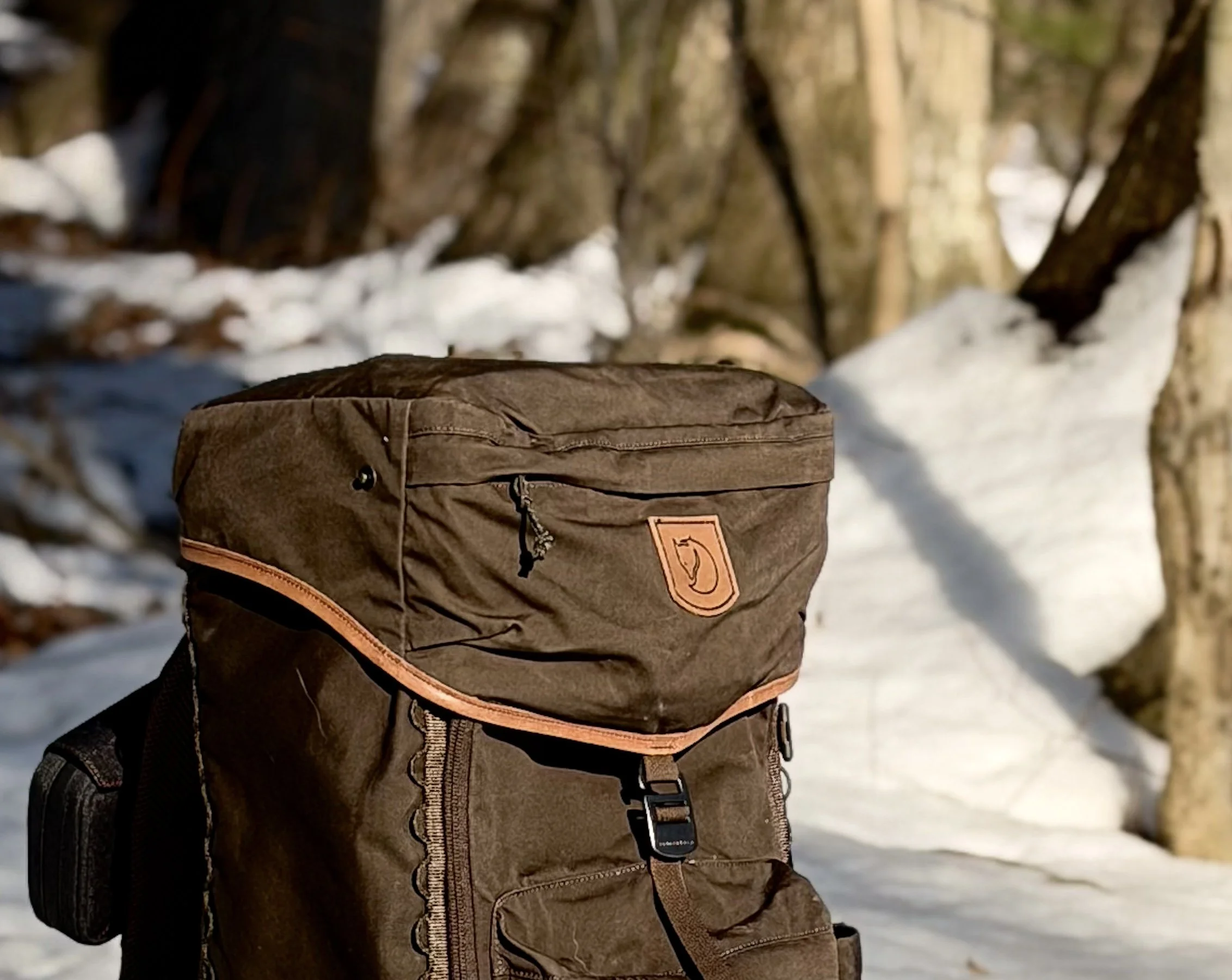
As winter loosens its grip and the first hints of spring begin to show, hikers everywhere start feeling the familiar pull back to the trail. Boots come out of the closet, backpacks get dusted off, and the promise of fresh air and longer days makes it hard to stay indoors.
Most hikers know the obvious gear to pack.
The boots are laced up. The backpack is ready. Water bottles are filled, and maybe a camera finds its way into the pack to capture the views waiting somewhere down the trail.
But spend enough time outdoors and you start to realize something important: the gear that matters most is often the gear nobody talks about.
It’s the pair of socks that saves your feet after ten miles. The small strip of blister tape that turns a miserable hike into a manageable one. The tiny first aid kit buried in the bottom of your pack that you hope you never need—but are incredibly glad to have when the moment arrives.
These aren’t the flashy items you see in glossy advertisements or gear reviews. They’re the quiet essentials—the small pieces of equipment that experienced hikers learn to carry through trial, error, and miles on the trail.
So as hiking season begins again, here are 10 pieces of hiking gear nobody talks about… but every hiker should carry.
NOTE: I am not affiliated with any brands that may be listed in this article. Any recommendation made is purely based off my experience. Links will be listed at the base of this article, but I do not receive any form of compensation from their purchase.
1. The First Aid Kit
I have this listed as number one because it’s one of the most important pieces of hiking gear missing from far too many packs. A quality hiking first aid kit should be with you—not just on long hikes, but even on short walks around the lake.
This past weekend was a bit of a wake-up call for me—and a big part of the reason this article is being written.
My wife and I took a quick day trip to Hocking Hills State Park. We were running behind, and I was focused on getting to a waterfall at just the right time for a photo. In the rush, I didn’t thoroughly check my pack. After all, it was just a 2-mile loop… what could go wrong?
Sure enough, while jumping from a large boulder in the riverbed back to the bank, I slammed my hand into a broken tree branch.
Thankfully, the injury wasn’t too serious. I kept my hand elevated until we made it back to the car—and luckily, I had a gym bag with bandages waiting for me. But it was a reminder: it could have been much worse.
And that’s really the point—things don’t have to go terribly wrong for them to go wrong enough.
Now you might be wondering: what kind of first aid kit should I bring hiking?
Personally, I recommend building your own kit. That said, I know that’s not everyone’s preference—and even a simple pre-made kit from your local pharmacy is far better than nothing.
If you do go the pre-made route, take a moment to check what’s actually included. Many kits are filled with cheap, unnecessary items just to bulk up the contents. My rule of thumb: make sure you know how to use at least 75% of what’s inside. The supplies won’t help you if you don’t know how to use them.
If you’re interested in building your own, here are a few essentials to start with:
Adhesive Bandages
Any brand will work, but I’ve personally had great luck with Band-Aid. The key is having a variety of sizes—because not all cuts are created equal.
Gauze and Medical Tape
A couple rolls of gauze and quality tape can handle a wide range of injuries. This is one of the most versatile items in your kit. Having a pair of sheers, or scissors is critical to have also. Just remember to take them out of your kit if you get on an airplane!
Antiseptic (Wipes or Ointment)
Great for cleaning wounds, especially on longer hikes. Individual packets are lightweight and easy to pack.
Burn Ointment
If you carry a camp stove, this is a must-have. Burns happen fast, and having proper treatment on hand makes a big difference.
Emergency Blanket
One of the most underrated items you can carry. Even on short hikes, this can be critical in an emergency.
Pro Tip: Emergency blankets work by reflecting your body heat. Leave a little space between your body and the blanket so it can trap and reflect that heat effectively.
Honorable Mentions:
Tourniquet, compression wraps, and splints. These aren’t essential for everyone, but if you have the space, they can be incredibly valuable—especially for common injuries like rolled ankles.
2. Blister Tape
This could easily be included in your first aid kit—but it deserves some attention of its own.
Blisters are one of the most common (and frustrating) issues hikers run into. And once they start, they don’t get better—they just get worse with every step.
That’s where blister tape (often called Leukotape or moleskin) comes in.
Blister tape works by reducing friction—the real cause of blisters in the first place. You can apply it as a preventative measure on hot spots, or over an existing blister to protect the area and keep you moving comfortably.
If you’re treating a blister, one effective method is to cut the tape slightly larger than the affected area and create a small opening so the blister isn’t directly compressed. This helps relieve pressure while still protecting the surrounding skin.
Personally, I’ve always used Moleskin. It’s what was available at the PX on Parris Island when I went through boot camp—and after the relief it gave me then, I’ve stuck with it ever since. At this point, it’s probably more tradition than anything else.
It may cost a little more than standard bandages, but when you’re miles into a hike and every step starts to hurt, it’s worth its weight in gold.
3. Head Lamp
This is another piece of hiking gear I learned the importance of firsthand.
My wife and I took a trip to Sedona, Arizona over the winter. We had just finished a long hike on the Boynton Canyon Trail and decided we still had enough energy to make the trek out to Devil’s Bridge.
Everything went fine—at first.
What I didn’t account for was how quickly daylight fades in a canyon. It gets dark faster than you expect, especially when the sun drops behind the rock walls.
Before we knew it, we were facing nearly a 2-mile hike back in complete darkness.
We had left our lodging around 8:00 AM that morning, and it never crossed my mind that we’d still be out after sunset. I was incredibly thankful for my background in nighttime land navigation—because relying on a cell phone flashlight wasn’t cutting it. In some ways, it actually made things worse by limiting our field of vision.
Needless to say, a headlamp for hiking has been a permanent fixture in my pack ever since.
And the truth is—you don’t need anything fancy.
Headlamps range anywhere from $10 to a couple hundred dollars. If you’ve got the budget, go for a higher-end option. But for most hikers, a reliable, mid-range headlamp will do the job just fine.
At a minimum, look for:
Good battery life
Water resistance
A solid lumen output (brightness)
If your headlamp uses disposable batteries, make sure you carry extras—preferably stored in a waterproof container. When you need a headlamp, you really need it.
4. Trash Bag or Pack Liner
This one is simple—and that’s exactly why it gets overlooked.
Most of us already have a few of these sitting under the kitchen sink, but a basic trash bag can be one of the most useful pieces of gear in your pack. When used as a pack liner for hiking, it adds an extra layer of protection that you’ll be grateful for when conditions turn.
Many hiking backpacks are water-resistant, and some even come with rain covers. But even with those features, no one has ever been disappointed pulling dry gear out of their bag.
A plastic bag is a lightweight, reliable way to keep your essentials dry—whether you get caught in a downpour or accidentally set your pack down on wet ground.
It’s also incredibly useful for separating wet and dry gear. Decide to take a dip in a creek or lake? No problem. Toss your wet clothes in the bag, throw it back in your pack, and keep everything else dry.
And then there’s the most important use—packing out your trash.
One of the best parts of hiking is stepping into a place that feels untouched. Forests, deserts, rivers—they all feel a little more special when there’s no sign that anyone else has been there before you.
That only works if we all do our part.
I’m sure everyone reading this has heard the phrase “Leave No Trace.” But somehow, I still find wrappers tucked into brush and litter along the trail—even in our National Parks.
A simple trash bag weighs next to nothing, but it gives you the ability to leave a place exactly as you found it—or even better.
5. Emergency Whistle
You may have noticed a theme in this list—many of these items are centered around personal safety. And that’s exactly the point.
There are plenty of guides covering the best clothing, backpacks, and boots. But when it comes to hiking safety gear, those conversations often get overlooked.
Enter: the emergency whistle.
An emergency whistle for hiking is one of the simplest and most valuable pieces of gear you can carry. It’s lightweight, inexpensive, and incredibly effective when you need to signal for help.
And when I say effective—I mean far more effective than your voice.
A whistle can carry much farther than shouting, and it doesn’t wear you out nearly as quickly. In a real emergency, that matters.
The best part? You don’t need anything fancy. A basic whistle can be picked up for just a few dollars at an outdoor store, military surplus shop, or online.
Interestingly, many modern backpacks already have one built in. I’ve used several packs from brands like REI and Fjällräven, and they often include a whistle integrated into the sternum strap.
Honestly—it’s a brilliant design.
If you’re wearing your pack, you automatically have your whistle with you, exactly when you might need it most. If you’re shopping for a new backpack, this is a small feature that’s absolutely worth considering.
6. Portable Battery Pack
Remember that story I told about getting caught in the dark in Arizona?
There’s one detail I left out that made the situation even worse—our phone batteries were nearly dead.
In a moment where we were relying on our phones for light and navigation, we were quickly running out of both.
That’s why a portable battery pack for hiking is such an easy but important addition to your gear.
These days, most of us already have one sitting around at home. Taking a few minutes to charge it before heading out and tossing it in your pack can make a big difference when you need it most.
On shorter hikes, you may never touch it—and that’s fine. But when something unexpected happens, or your day runs longer than planned, having that extra power becomes incredibly valuable.
And if you’re anything like me—carrying camera gear into the field—it’s even more useful. Between phones, cameras, and other electronics, a little extra battery life can go a long way.
7. Extra Socks
I don’t know how many miles I have hiked in my lifetime, but it has to be in the thousands. One thing I have always taken on a hike with me is an extra pair of socks.
For hiking, merino wool socks reign supreme - there are some good performance socks out there that seem to hold up pretty well, Still, I always recommend a solid couple pairs of merino wool. They are moisture wicking, durable and sometimes padded - if that is what you like!
Having an extra pair with you on your journey is wonderful. Picture yourself on a 10-mile hike: you have made it 5 miles on a warm day, your socks are wet, your foot is sliding around in your boot with each step, you feel the callus trying to pull from your foot - then you stop slap on a dry pair of socks and it is like you just started the hike! I haven’t won the lottery before, but I am sure it feels the same.
When you wear the same socks for extended periods of time, you are opening yourself up to friction blisters on your feet, an increased risk of fungal infections (like athletes foot) and when perspiration mixes with dirt in your boots; your socks will actually lose their moisture-wicking capabilities! That’s why I always pack an extra pair with me, if I don’t use them - I don’t use them!
8. DEET Insect Repellent
This isn’t always something you need to carry in your pack—but it’s absolutely something you should think about before you leave.
A good DEET insect repellent for hiking can make a huge difference, especially during warmer months or in wooded areas. For shorter hikes, applying it before you hit the trail is usually enough. But if you’re heading out for a longer day—or spending the night—it’s worth tossing a small bottle in your pack.
I typically recommend a repellent with 25–30% DEET. It’s highly effective against mosquitoes, and more importantly, ticks.
Mosquitoes are annoying—but ticks are something I take seriously.
We head outdoors to get away from the noise of everyday life, not to come home with something like Lyme disease. Taking a few simple precautions goes a long way.
I’ve personally had great results using OFF! Deep Woods, but there are plenty of solid options on the market.
If you prefer alternatives, there are non-DEET options available as well. For example, the CDC notes that oil of lemon eucalyptus (around 30% concentration) can be effective against mosquitoes for several hours. That said, these alternatives aren’t always as reliable against ticks, so it’s worth doing your own research and choosing what you’re comfortable with.
No matter what method you choose, it’s important to remember—nothing is 100% effective.
That’s why one of the best habits you can build is doing a quick check when you get back to your car.
Take a minute to look over your boots, legs, and clothing before heading home. Work your way up and make sure you didn’t pick up any hitchhikers along the way.
Because the only thing worse than finding a tick on the trail…
is finding one in your house later.
9. Ole Reliable - Multi-Tool
I’m sure you’ve heard it before—but I’m going to say it anyway: bring a multi-tool.
A good multi-tool for hiking is one of the most versatile pieces of gear you can carry. You could even argue it’s something you shouldn’t leave the house without… although I’ll admit, I don’t always have one on me at the grocery store.
With so many options out there, it’s easy to get overwhelmed. And yes, some multi-tools can get expensive. Here’s the truth, you don’t need to spend a fortune to get something reliable and capable.
Here are a couple options I’ve personally used and trust:
Gerber – Suspension
The Gerber Suspension is a fantastic value. At around $60, it gives you just about everything you could need on the trail—or even around the house.
It includes 12 tools, most notably:
Knife
Saw blade
Needle-nose pliers
Scissors
Bottle opener
I carried this tool for nearly 10 years. It went with me through my time in the service—from the Carolinas to the desert—and handled everything I threw at it.
There’s probably still sand hiding somewhere inside it. I’ve taken it apart more times than I can count and still haven’t found it.
I’ve only had to sharpen it a couple times in its entire life. For the price, durability, and versatility, it’s hard to beat—especially for casual users.
Leatherman – Signal
The Leatherman Signal is another excellent option, though it comes at a higher price point—around $150.
With 19 tools, it offers a bit more functionality in a slightly smaller, lighter package. If weight and compactness are priorities for you, that alone might justify the extra cost.
It also comes in a variety of colors, which is a nice bonus if you like your gear to feel a bit more personal.
I ended up switching to a Leatherman after my wife won one at a work raffle—and if there’s one thing I’ve learned, it’s that when your wife gives you a gift… you use it.
At the end of the day, whether you spend $60 or $150, the goal is the same: have a reliable tool on hand when something unexpected comes up.
Because out on the trail, it’s not about having the perfect tool—it’s about having something when you need it.
10. A Compass and a Map
This final item is a three-part system: a map, a compass, and the knowledge to use them.
And I’ll say it again—because it’s that important:
Having a compass and map for hiking, and knowing how to use them, is essential.
One of the best parts of the outdoors is the lack of cell service. It’s also one of the most dangerous.
Without service, you lose access to GPS apps like Google Maps, and it doesn’t take much to get turned around—especially in wooded areas or unfamiliar terrain. Having a reliable backup plan isn’t optional… it’s critical.
The Map
When I say “map,” it doesn’t have to be anything fancy.
Many trailheads offer free maps at kiosks. They may not be highly detailed, but they usually include:
Landmarks
Trail routes
Basic directional guidance
And at the end of the day, something is always better than nothing.
The Compass
There are several types of compasses out there—baseplate, mirror, lensatic, and electronic. Each has its own advantages, but also requires some practice to use effectively.
For most hikers, I recommend keeping it simple with a baseplate compass, like the Suunto A-10 NH.
It’s:
Affordable (usually under $25)
Reliable
Easy to learn
Includes scale markings for measuring distance on a map
It’s a great entry point into real navigation.
Pro Tip: If you purchase from REI, don’t hesitate to ask a team member for help. Many of them are incredibly knowledgeable and can give you a quick crash course on how to use your compass.
A more “modern” approach to having #10 in your pack would be using offline-GPS apps like, All Trails. All Trails is super handy to have not just for planning your trips, but for use when you are “out there.” you can use just about any of the apps that on the market, but I personally prefer All Trails - but this is just a personal preference. One important thing to note here, a lot of these apps have a free version, but in order to access the offline features - you’ll need to upgrade to their paid versions. All Trails+ will run about $39.99 per year, while All Trails Peak weighs in at $79.99 (at the time of writing this article). I’ll break down the differences between the two paid versions below:
AllTrails+:
Ad-Free and Advanced Views; 3D Maps and printing capabilities (great for printing your map before hitting the trail
“Lifeline,” a safety GPS tracking to alert you of wrong turns
This is GREAT if you have an Apple Watch. You can link AllTrails to your watch and it will give you a compass on your wrist that highlights if you are headed in the right direction. If you are going the right way, you’ll get a green bar, a little off - yellow and wrong way will be red!
Offline Maps allows you to download trail maps to your cell phone for viewing when you don’t have cell service. These maps will be specific to the trail route selected. You cannot make changes, or customizations to these maps.
IMPORTANT: Remember to download your maps BEFORE you leave your house! A lot of trail heads have spotty service and can prohibit the map downloads!
AllTrails Peak:
Allows you to create and download custom trail routes. If you plan on doing multiple trails on an outing (like the Towpath to another branch) this may be a reasonable option to you. You will be able to download your custom route for offline use, too.
The Community Heatmap feature will show you metrics on how busy a particular trail may be. This is kind of neat for discovering “hidden” trails.”
“Advanced Conditions” will give you real-time data on weather, air-quality and trail conditions.
It’s up to you which subscription you go with, should you decided on the AllTrails route. Personally, I don’t find enough value in the Peak upgrade to justify the additional $30. One could say that you could use that $30 on a compass… If I am missing something, write me a note in the comments!
Call me old fashioned, but I still carry my map and my compass. Technology is great, but it isn’t perfect. Not to mention, in an emergency situation, something could happen to you phone. Drop it too hard on rocks, soak it in water, or your battery could just die because you didn’t have service and your phone was roaming for hours. If you want an A+ grade on your pack loadout, you better have a portable battery pack in there if you choose to just go the electronic route!
At the end of the day, none of this gear is about being over-prepared or taking the fun out of the great outdoors. It’s about giving you the freedom to fully enjoy it. When I think about getting outside and the way it makes me feel, my hope is that more people get to experience it in a way I do. I hope to make the outdoors more accessible to others, but in a way that is safe or helps prevent a bad experience.
The trails can be great way to relax, but they can also be pretty humbling at times and it is almost always a small, overlooked item that could have made a world of difference!
These items aren’t the types of gear that get the spotlight, or will really increase your visual credibility among fellow hikers. Regardless, these are the items that will keep you safe and comfortable and make sure you get to enjoy the outdoors over and over again.
As you pack up for your next hike-whether it is your first or your thousandth- take a second look at the little things. Because, sometimes the gear nobody talks about - is the gear that matters most!